Mattress Cleaning: Fresh Sleep, Better Hygiene, and a Healthier Bedroom
Keeping your bed fresh is about more than comfort—it is about hygiene, sleep quality, and the long-term condition of your mattress. Mattress cleaning is one of the most overlooked parts of home care, yet it directly affects the air you breathe, the dust you sleep on, and the lifespan of the surface you use every night. Whether you are dealing with everyday dust, sweat stains, odors, allergens, or accidental spills, proper mattress cleaning can make a noticeable difference.
A mattress naturally collects skin cells, body oils, moisture, dust mites, and debris over time. Even if it looks clean on the outside, the interior layers may hold hidden buildup. That is why regular mattress cleaning is important for families, pet owners, allergy sufferers, and anyone who wants a healthier sleep environment. When done correctly, it helps reduce odor, improve freshness, and support better rest.
In this article, we will explore practical mattress cleaning methods, helpful prevention tips, and the reasons professional mattress cleaning services can be a smart investment. You will also learn how to maintain a cleaner bed between deep cleanings so your mattress stays fresh for longer.
Why Mattress Cleaning Matters
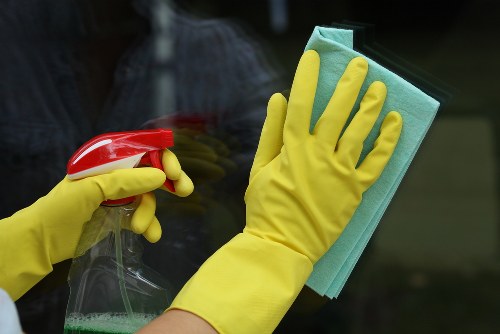
Mattress cleaning supports both hygiene and comfort. Because mattresses are used for many hours every day, they absorb a surprising amount of moisture and debris. Over time, this can create an environment where dust mites and odor-causing particles thrive. Regular cleaning helps reduce these issues before they become more noticeable.
Another reason mattress cleaning matters is sleep quality. A fresh mattress feels more inviting, smells better, and contributes to a cleaner sleeping space. Many people notice that after a thorough mattress cleaning, their bedroom feels lighter and more pleasant. That improved sense of freshness can make bedtime more relaxing.
It is also worth considering the value of your mattress itself. A high-quality mattress is an investment, and routine cleaning helps protect that investment. Stains left untreated can become permanent, while moisture buildup may shorten the useful life of the materials inside. With a proper mattress cleaning routine, you can extend the mattress lifespan and delay replacement costs.
Common Problems Mattress Cleaning Can Solve
There are several issues that mattress cleaning can address effectively. Some are visible, while others are hidden beneath the fabric surface. Knowing what to look for can help you decide when to schedule a deep clean or take action at home.
- Dust and dust mites that accumulate from daily use
- Body oils and sweat that create yellowing and odor
- Spills and stains from drinks, food, or nighttime accidents
- Pet hair and dander that settle into the fabric
- Allergen buildup that may affect breathing and comfort
Mattress cleaning can also help with musty odors caused by humidity or trapped moisture. In homes where the bedroom is not well ventilated, mattresses may hold onto smells more strongly. Regular mattress cleaning helps refresh the fabric and reduce that stale feeling.
For households with children, pets, or people with allergies, mattress cleaning can be especially useful. It reduces the buildup of materials that may trigger sneezing, congestion, or irritation. In short, a clean mattress can contribute to a cleaner, healthier bedroom overall.
How Often Should You Clean a Mattress?
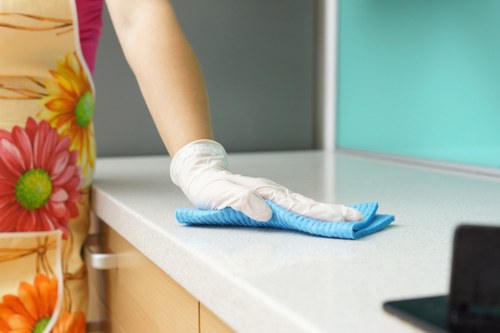
The ideal mattress cleaning schedule depends on how the mattress is used and what issues are present. As a general rule, surface cleaning should happen regularly, while deep mattress cleaning can be done every few months. If there is a spill, stain, or odor, immediate action is always best.
Here is a simple approach to timing your mattress cleaning:
- Weekly: Vacuum the surface and rotate bedding to reduce buildup.
- Monthly: Check for stains, odors, or signs of wear.
- Every 3 to 6 months: Perform a deeper mattress cleaning or schedule a professional service.
- Immediately: Treat spills, accidents, or visible contamination as soon as possible.
Mattress cleaning frequency may need to increase if you live in a humid area, have pets in the bedroom, or suffer from allergies. In those cases, regular mattress cleaning becomes even more important because buildup can happen faster than expected.
Simple Mattress Cleaning Steps for Home Use
If your mattress only needs a light refresh, there are several safe mattress cleaning steps you can do at home. These methods help remove dust, reduce odors, and keep the surface feeling cleaner between professional treatments.
Step 1: Strip the bed. Remove all bedding, pillow covers, and mattress protectors. Wash them according to the care labels. A clean mattress is easier to treat once the surface is fully exposed.
Step 2: Vacuum thoroughly. Use a vacuum with an upholstery attachment to remove dust, hair, and loose debris from the entire mattress surface, including seams and edges. This is one of the most important parts of mattress cleaning because it removes dry buildup before deeper treatment.
Safe deodorizing and stain treatment
After vacuuming, you can lightly deodorize the mattress with baking soda. Sprinkle a thin layer over the surface, let it sit for several hours, and vacuum it away. This helps absorb odors and freshen the fabric.
For spot stains, use a mild cleaning solution applied to a cloth rather than pouring liquid directly onto the mattress. Blot the stain gently. Avoid soaking the mattress because excess moisture can lead to mold or lingering dampness. Proper mattress cleaning should refresh the fabric without saturating the internal layers.
Dealing with Common Mattress Stains

Stains are among the most common reasons people seek mattress cleaning. The sooner you address them, the more likely you are to remove them successfully. Different stains need slightly different treatments, but the general rule is to act quickly and use minimal moisture.
Sweat stains often appear as yellow marks over time. These can usually be reduced with a gentle cleaning solution and careful blotting. Food and drink spills should be lifted immediately with a clean cloth to stop them from sinking deeper into the mattress.
Blood stains require cold water and quick action, while urine stains may need odor-neutralizing treatment in addition to cleaning. For pet accidents, mattress cleaning should include both stain removal and odor control because smells can linger even after the spot looks clean.
Helpful stain-removal tips
- Test any solution on a small hidden area first
- Blot, do not rub, to avoid spreading the stain
- Use fans or open windows to speed drying
- Repeat light treatment if necessary rather than over-wetting the area
When stains are old or deep-set, professional mattress cleaning can be the better option. Specialized equipment and treatment products can often reach deeper into the mattress than home cleaning methods.
Odor Removal and Freshness Tips
Odor is another major reason people invest in mattress cleaning. Over time, sweat, humidity, and everyday use can create an unpleasant smell that affects the entire bedroom. Thankfully, odor control is one of the areas where consistent mattress cleaning can make a big impact.
To reduce odors at home, start with vacuuming and dry deodorizing. Baking soda is often used because it absorbs unwanted smells naturally. Let it sit long enough to work before vacuuming it away. Another helpful step is to improve airflow in the room by opening windows or running a fan after mattress cleaning.
Important note: Avoid strong fragrances that only mask the odor temporarily. Effective mattress cleaning should remove the source of the smell, not just cover it up. If the mattress still smells after several attempts, there may be trapped moisture or deeper contamination that needs professional attention.
For long-lasting freshness, use breathable sheets, wash bedding regularly, and avoid eating in bed when possible. These simple habits support better mattress hygiene and reduce the need for frequent heavy cleaning.
Why Professional Mattress Cleaning Can Be Worth It

While many people handle light maintenance on their own, professional mattress cleaning can provide a deeper level of care. Trained specialists use advanced cleaning methods designed to remove embedded dirt, allergens, and odors more effectively than surface cleaning alone.
A major benefit of professional mattress cleaning is deep extraction. This can help remove buildup from inside the mattress layers where home tools may not reach. Professional cleaning may also be useful for delicate materials, stubborn stains, or mattresses that have not been cleaned in a long time.
Another advantage is convenience. A professional service can save time and reduce the guesswork involved in choosing cleaning products. If you are concerned about damaging the mattress or leaving too much moisture behind, expert mattress cleaning offers peace of mind.
Professional mattress cleaning is especially useful when:
- There are persistent odors that do not go away
- The mattress has multiple stains
- Someone in the home has allergies or asthma
- The mattress has not been deep cleaned for years
- You want a more thorough and hygienic result
For many households, a combination of regular home care and occasional professional mattress cleaning provides the best overall result.
Mattress Cleaning for Allergies and Better Air Quality
Allergens are one of the most overlooked reasons to keep up with mattress cleaning. Dust mites, dead skin cells, pet dander, and pollen can settle into the mattress and spread into the bedding. For allergy sufferers, this may lead to sneezing, itchy eyes, or poor sleep quality.
Routine mattress cleaning can help reduce these triggers. Vacuuming removes loose particles, while deeper cleaning helps break down buildup that may be hidden in the fibers. Using a mattress protector can also make cleaning more effective by creating a barrier between the sleeper and the mattress itself.
Improving mattress hygiene may also support better air quality in the bedroom. Since the bed is one of the largest fabric surfaces in the room, what collects there can affect the overall environment. Clean bedding, regular dusting, and consistent mattress cleaning all work together to create a fresher indoor space.
If allergies are severe, consider scheduling mattress cleaning more often and choosing hypoallergenic bedding materials. These small changes can make a meaningful difference in comfort and rest.
How to Protect Your Mattress After Cleaning

Once you have completed mattress cleaning, the next goal is keeping the mattress cleaner for longer. Protective habits help preserve the results and reduce how often you need deep cleaning. Simple maintenance can go a long way.
Start by using a high-quality waterproof or stain-resistant mattress protector. This barrier helps block spills, sweat, and dust from reaching the mattress surface. It is one of the easiest ways to support ongoing mattress cleaning efforts.
Wash sheets and pillowcases every week or every other week. Clean bedding prevents oils and debris from building up and transferring to the mattress. You should also rotate or flip the mattress if the manufacturer recommends it, because this helps distribute wear more evenly.
Here are a few additional habits that help maintain a cleaner bed:
- Keep food and drinks out of bed when possible
- Vacuum the mattress surface regularly
- Air out the room to reduce humidity
- Treat minor spills right away
- Check under the bed and around the frame for dust buildup
Mattress Cleaning Mistakes to Avoid
Even with the best intentions, some cleaning mistakes can make mattress cleaning less effective or even damage the mattress. Understanding what not to do is just as important as knowing the right methods.
Avoid soaking the mattress. Too much liquid can be difficult to dry and may lead to mold or mildew. Mattress cleaning should always use controlled amounts of moisture.
Avoid harsh chemicals. Strong bleach-based products may damage materials, leave residue, or create strong odors. Gentle cleaners are usually safer and more practical for mattress cleaning.
Do not ignore drying time. A mattress should be fully dry before you remake the bed. Trapped moisture can lead to unpleasant smells and long-term hygiene problems. Use ventilation, fans, or sunlight where appropriate to speed drying.
Do not scrub aggressively. Rubbing can push stains deeper into the fabric. Blotting and gentle treatment are typically more effective for mattress cleaning.
Choosing the Right Mattress Cleaning Approach
The right mattress cleaning approach depends on the condition of the bed, the materials used, and your own preferences. A lightly used mattress may only need routine vacuuming and deodorizing. A mattress with stains, odor, or allergy concerns may benefit from a more intensive cleaning method.
When deciding how to proceed, consider the following:
- Mattress type: Memory foam, hybrid, latex, and spring mattresses may require different handling
- Condition: Older stains and odors often need more intensive treatment
- Health needs: Allergy sufferers may require more frequent mattress cleaning
- Convenience: Professional service may be preferred for busy households
Good mattress cleaning is not about using the strongest product available. It is about using the safest and most effective method for the situation. With the right approach, you can refresh the mattress without causing damage.
For long-term results, combine routine maintenance with periodic deep cleaning. That balanced strategy helps preserve comfort, cleanliness, and durability.
Final Thoughts on Mattress Cleaning
Mattress cleaning is one of the simplest ways to improve sleep hygiene, protect your investment, and create a healthier bedroom environment. By removing dust, odors, stains, and allergens, you can make your bed feel fresher and more comfortable every day.
Whether you choose do-it-yourself mattress cleaning or hire a professional service, consistency is key. Routine care prevents buildup from becoming a bigger problem and helps your mattress stay in better condition for longer. The result is not just a cleaner bed, but a more pleasant place to rest.
If your mattress is due for attention, do not wait for stains or odors to become severe. Take the first step toward a fresher home environment and better sleep. Book your service now or make mattress cleaning part of your regular home care routine. For the best results, Contact us today and keep your bedroom feeling clean, healthy, and welcoming.