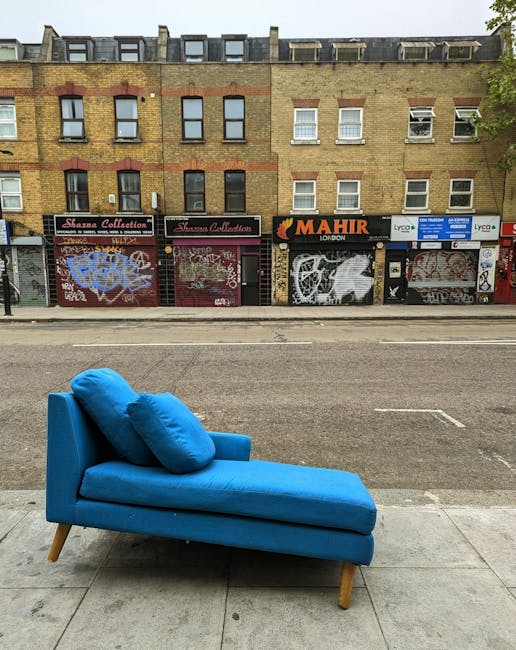
Eton Avenue upholstery cleaning guide Belsize Park NW3
If you live or work near Eton Avenue, upholstery can take a surprising beating. One muddy coat on a sofa, one coffee splash on an armchair, one damp London morning, and suddenly the room feels less fresh than it should. This Eton Avenue upholstery cleaning guide Belsize Park NW3 is here to help you understand what proper upholstery care looks like, how professional cleaning works, and when it makes sense to call in help rather than try to muscle through it yourself.
Truth be told, upholstery is often ignored for far too long. People vacuum the carpets, wipe the kitchen counters, maybe even clean the curtains, but the sofa becomes the everyday storage place for life. Pets jump on it. Children climb over it. Guests sit with drinks. And over time, dirt settles deep into the fibres. The good news? With the right approach, most fabric and upholstered furniture can be restored beautifully.
This guide covers the practical side of upholstery cleaning in Belsize Park NW3: the methods, the benefits, common mistakes, what to check before cleaning, and how to make a sensible decision about DIY versus professional care. If you want a broader look at related services too, you may also find the site's upholstery cleaning service page useful, along with sofa cleaning and stain removal for more targeted support.
Table of Contents
- Why Eton Avenue upholstery cleaning guide Belsize Park NW3 Matters
- How Eton Avenue upholstery cleaning guide Belsize Park NW3 Works
- Key Benefits and Practical Advantages
- Who This Is For and When It Makes Sense
- Step-by-Step Guidance
- Expert Tips for Better Results
- Common Mistakes to Avoid
- Tools, Resources and Recommendations
- Law, Compliance, Standards, or Best Practice
- Options, Methods, or Comparison Table
- Case Study or Real-World Example
- Practical Checklist
- Conclusion
- Frequently Asked Questions
Why Eton Avenue upholstery cleaning guide Belsize Park NW3 Matters
Eton Avenue sits in a part of North West London where homes, flats, and professional spaces tend to be used hard and lived in properly. That is a good thing. It also means furniture picks up daily residue fast: city dust, skin oils, food particles, pet hair, pollen, and the occasional spill that seemed tiny at the time. Upholstery is porous, so dirt does not just sit on the surface. It works its way in.
Why does that matter? Because dirty upholstery changes more than appearance. It can affect comfort, smell, and the overall feel of a room. A room can look tidy and still feel a bit stale if the soft furnishings have absorbed too much grime. If you have ever walked into a lounge and thought, "something feels off here," the upholstery is often part of the story.
There is also the longevity angle. Fabric friction, grit, and incorrect cleaning can wear upholstery down faster than you expect. A routine clean helps preserve fibres and keeps cushions from looking tired too quickly. In rental properties, shared homes, and busy family houses, that maintenance piece really matters. A neglected sofa can become one of those objects you stop seeing until guests arrive. Then you see everything.
For local readers, the practical side is simple: a reliable upholstery cleaning routine supports a cleaner, more comfortable home without the constant need to replace furniture. And replacement, let's face it, is expensive. Cleaning is usually the more sensible first step.
How Eton Avenue upholstery cleaning guide Belsize Park NW3 Works
Good upholstery cleaning starts with inspection, not scrubbing. That sounds obvious, but a lot of damage happens when someone jumps straight to detergent without understanding the fabric. Professionals normally begin by checking the material type, the level of soiling, the construction of the furniture, and any obvious stains or weak seams. This matters because cotton, wool blends, synthetics, velvet, linen, and leather all behave differently.
Once the fabric is assessed, the cleaning method is chosen. In many cases, a combination approach works best: dry soil removal first, then targeted stain treatment, then a deeper extraction or low-moisture clean depending on the upholstery. The idea is to lift dirt without soaking the piece.
For a standard fabric sofa or armchair, the process often looks something like this:
- Loose debris is removed with careful vacuuming.
- The cleaner checks the fabric code or tests a small hidden area.
- Visible marks are pre-treated with suitable products.
- The furniture is cleaned using the safest appropriate method.
- Residue is reduced, fabric is groomed, and drying is managed.
That last part matters more than people realise. Over-wetting can leave odours, water marks, or slow drying times that invite further problems. A good clean should leave the upholstery fresher, lighter, and not soggy. If it smells like wet carpet in a stairwell afterward, something has gone wrong. Not ideal.
If your furniture has heavier spill damage or recurring pet issues, a more specific approach may be needed. You can see how these concerns are handled through pet stain odour removal, which is often a useful companion service when pets are part of the household rhythm.
Key Benefits and Practical Advantages
The benefits of upholstery cleaning are not just cosmetic, although a brighter sofa does lift a room immediately. There are a few practical advantages worth knowing.
- Better appearance: Colours look clearer and fabrics lose that greyed, flattened look that builds up over time.
- Improved comfort: Clean fabric feels better to sit on, especially if dust and sticky residue have built up.
- Reduced odours: Everyday smells from food, pets, and general use are easier to manage.
- Longer furniture life: Removing grit and residue helps reduce wear.
- More hygienic soft furnishings: Upholstery holds more than dirt alone, so periodic cleaning supports a fresher living environment.
There is a more subtle benefit too. A clean sofa changes how a room is used. People relax more. Guests are less fussy. You notice the room feels lighter. It sounds a bit dramatic, but anyone who has had a tired-looking corner sofa revived will know exactly what I mean.
In homes near busy roads or high-footfall areas, this can make a real difference. Dust travels. London air is not exactly shy about bringing particles inside. Upholstery ends up acting like a filter, which is useful in one sense and annoying in another.
Who This Is For and When It Makes Sense
This guide is useful for homeowners, tenants, landlords, letting agents, and anyone responsible for a furnished property in Belsize Park NW3. It is also relevant to people with allergies, pet owners, and those who host regularly. If the furniture is in daily use, the cleaning needs tend to be higher than people first assume.
You may want upholstery cleaning if:
- your sofa or chairs look dull, patchy, or worn-in;
- there is a noticeable smell that vacuuming does not solve;
- a spill has dried into the fabric;
- pet hair and paw marks keep coming back;
- the furniture has not been cleaned in a long time;
- you are preparing a property for new tenants or visitors;
- you have tried a home product and the mark has spread.
There are also times when you should stop and think before cleaning anything yourself. Velvet, silk blends, antique upholstery, and water-sensitive fabrics can be tricky. One wrong product, and a small stain becomes a larger problem. That is the sort of thing people regret at 9 p.m. on a Tuesday after opening a bottle of mystery cleaner they found under the sink.
For business premises or waiting areas, upholstery also affects first impressions. If seating looks cared for, the whole space feels more professional. If not, people notice. They may not say it aloud, but they notice.
For broader commercial support, the site's commercial carpet cleaning page is a helpful reference for premises that need a consistent cleaning schedule across soft surfaces and flooring.
Step-by-Step Guidance
If you are planning a clean yourself or want to understand what a professional should be doing, this step-by-step approach is a sensible place to start.
1. Identify the fabric
Check the manufacturer's care label if it is available. This gives you a basic clue about whether the upholstery tolerates water-based cleaning, solvent-based cleaning, or only very gentle care. If the label is missing, test carefully in a hidden area. Do not assume all fabric sofas can be treated the same way. They absolutely cannot.
2. Vacuum thoroughly
Use a vacuum with an upholstery attachment to remove loose dust, crumbs, hair, and grit. Focus on seams, creases, under cushions, and the back edge where debris settles unnoticed. This is a small step that makes a bigger difference than people expect.
3. Pre-treat stains carefully
Spot treatment should be light and controlled. Dab, do not rub. Rubbing can push the stain deeper or roughen the pile. If the mark is greasy, water alone will not help much. If it is protein-based or pet-related, the wrong cleaner can set it. Different stains behave differently, which is why stain removal is often a separate specialist task.
4. Use the correct cleaning method
Depending on the fabric, the piece may need low-moisture cleaning, hot water extraction, dry cleaning, or a specialised approach. The safest method is the one that suits the material, not the one that looks strongest on the shelf.
5. Manage drying properly
After cleaning, keep air moving if possible. Open windows where practical, use gentle ventilation, and avoid sitting on the furniture until it is properly dry. Damp upholstery can feel fine for a while and then surprise you later with a stale smell. Classic nuisance.
6. Finish with a final inspection
Check for remaining marks, water rings, or stiff areas. If something still looks off, it is better to deal with it early than leave it to settle. A second light treatment is often safer than one aggressive pass.
Expert Tips for Better Results
After cleaning a lot of upholstered furniture, one pattern comes up again and again: the people who get the best results are not the ones who use the strongest product. They are the ones who move slowly, test first, and avoid panic.
- Test every new product first. Hidden areas can save you a headache.
- Blot from the outside in. That keeps stains from spreading in a halo.
- Use minimal moisture on delicate fabrics. More water does not mean more cleaning power.
- Deal with spills quickly. The first 10 minutes matter a lot.
- Clean cushions evenly. Otherwise one section may look bright and another flat.
- Rotate cushions. It helps even out wear, especially on family sofas.
Another useful tip: pay attention to odour as well as appearance. Sometimes a sofa looks fine but smells a little off when the heating comes on. That often means there is residue deeper in the fabric or filling. In that case, surface cleaning alone will not solve it.
If curtains, rugs, and upholstery all need attention at once, it can make sense to plan them together. Soft furnishings tend to affect one another visually, so a freshly cleaned sofa against a dusty curtain looks half-done. You can see the related service pages for curtain cleaning and rug cleaning if you are building a wider refresh plan.
Common Mistakes to Avoid
This is the section that saves people money. Sometimes quite a lot of money.
- Using too much product: Soap residue attracts dirt and can leave the fabric sticky.
- Scrubbing hard: This damages fibres and can distort pile direction.
- Ignoring the care label: The label is there for a reason, even if it is annoyingly small.
- Over-wetting the upholstery: Moisture can seep into padding and take ages to dry.
- Mixing cleaners: Some combinations create more problems than they solve.
- Trying to remove every stain with one method: Different stains need different treatments.
- Leaving stains to age for months: The longer they sit, the more stubborn they become.
A classic mistake is trying to "tidy up" a mark with a quick wipe and then assuming the issue is gone. Often it is not gone. It is just spread thinner. That is a bit of a grim little trick upholstery likes to play.
If there is pet urine, persistent smells, or repeated marking, professional treatment is usually wiser. The liquid can travel beyond the visible stain and affect the padding underneath. Surface cleaning alone rarely gets to the root of it.
Tools, Resources and Recommendations
You do not need a warehouse of equipment to care for upholstery well, but the right tools help a lot. A sensible home toolkit usually includes:
- an upholstery vacuum attachment;
- a soft brush for dry debris;
- clean white cloths for blotting;
- a mild fabric-safe cleaner;
- a small spray bottle for controlled application;
- a fan or good ventilation for drying.
For more specialised cleaning, professional equipment is usually more effective. That often includes extraction machines, stain-specific agents, fibre-safe tools, and methods that reduce drying time. This is especially useful on sofas with dense padding or on multi-seat pieces that would take forever to dry with basic home care.
If you are comparing services or trying to understand how a provider works, the company pages for pricing and quotes, payment and security, and insurance and safety are practical places to look. They help set expectations before any appointment is booked.
If you prefer to understand the business background first, the about us page gives a sense of the company approach, while contact us is the obvious next step when you want to ask about a specific piece of furniture or a tricky stain.
Law, Compliance, Standards, or Best Practice
Upholstery cleaning is not normally a heavily regulated activity in the same way some trades are, but there are still important standards of care. In the UK, good practice generally means using suitable products, handling chemicals safely, following manufacturer instructions where available, and avoiding damage to the client's property.
For domestic and commercial settings alike, the practical expectation is straightforward: the cleaner should work safely, communicate any limitations honestly, and avoid making promises they cannot keep. If a fabric is delicate or already damaged, that should be explained before work begins. Not after.
Health and safety also matter in real-world terms. Wet floors, trailing hoses, electrical equipment, and chemical use all need sensible management. Good providers should follow their own health and safety procedures and have clear insurance arrangements. If you want to review those policies, the site's health and safety policy and insurance and safety information are useful reference points.
For residents in flats or managed properties, practical best practice also includes being considerate about access, drying time, and any shared-space concerns. Nobody wants wet equipment dragged through a narrow hallway without warning. That sort of thing is avoidable with a bit of planning.
Options, Methods, or Comparison Table
Choosing the right upholstery cleaning method depends on fabric type, soil level, and how quickly the item needs to be used again. Here is a simple comparison to make the decision easier.
| Method | Best for | Advantages | Watch-outs |
|---|---|---|---|
| Vacuuming and dry maintenance | Regular upkeep between deeper cleans | Quick, gentle, low risk | Will not remove embedded stains or odours |
| Spot cleaning | Fresh spills and small marks | Fast and targeted | Can spread stains if done badly |
| Low-moisture fabric cleaning | Delicate or moisture-sensitive upholstery | Shorter drying time, less saturation | May not suit deep contamination |
| Hot water extraction | Many synthetic upholstery types with heavier soiling | Strong deep-clean effect | Needs careful drying and correct fabric assessment |
| Specialist stain treatment | Problem stains, pets, food, drink | More precise and effective | Success depends on stain age and fibre type |
There is no single "best" method for everything. That is the honest answer. The right choice depends on the fabric, the history of the stain, and how much risk you can tolerate. If the piece is expensive or sentimental, caution wins every time.
Case Study or Real-World Example
A common local scenario goes like this. A family in a Belsize Park flat has a two-seater fabric sofa in a living room that gets daily use. Over time, the seating area becomes darker than the rest, the arms pick up hand oils, and one side develops a faint smell from a dog who likes the afternoon sun patch. Nothing dramatic. Just the sort of slow build-up that sneaks up on you.
They try a supermarket spray first. The stain lightens a bit, then comes back as a pale ring. They vacuum again, dab at it, and decide to stop before making it worse. Sensible move. The fabric is checked, the marks are treated properly, and the sofa is cleaned using a method suited to the material rather than a one-size-fits-all approach. The result is not "brand new," because that would be a silly promise, but it does look fresher, smells cleaner, and feels much more usable.
That is usually the realistic goal. Not perfection. Improvement. Good upholstery care brings a piece back into normal life instead of making it look like it belongs in a showroom nobody actually lives in.
In commercial settings, the same principle applies. Reception seating and waiting room chairs gather dirt quietly, then suddenly the whole space looks a bit past its best. A coordinated refresh, possibly alongside steam carpet cleaning, can make a room feel looked after again without disrupting the day too much.
Practical Checklist
Before you start cleaning upholstery near Eton Avenue or anywhere in Belsize Park NW3, run through this checklist.
- Check the fabric label or test a hidden area.
- Vacuum seams, cushions, and under the arms.
- Identify the stain type before choosing a product.
- Use the smallest practical amount of cleaner.
- Blot gently rather than scrub.
- Make sure the room has some airflow for drying.
- Keep people and pets off the furniture until it is dry.
- Review whether the piece needs specialist treatment.
- Inspect for rings, stiffness, or lingering smells after cleaning.
- Consider pairing upholstery care with other soft-furnishing cleaning where needed.
If you are a landlord or managing a property, it also helps to keep a simple note of when soft furnishings were last cleaned. Nothing fancy. Just enough to stop the "when was this done?" question becoming a mystery every time a tenancy changes.
Expert summary: upholstery cleaning works best when it is planned, gentle, and matched to the fabric. Most problems come from rushing, using too much liquid, or treating every stain like a generic one. If you slow down at the start, the result is usually much better at the end.
Conclusion
A good upholstery cleaning routine makes a bigger difference than most people expect. It keeps rooms fresher, furniture more comfortable, and fabrics in better condition for longer. For homes and small businesses in Eton Avenue and the wider Belsize Park NW3 area, that matters because soft furnishings are used every single day. They quietly collect the life of the room.
The main lesson is simple: match the method to the material, treat stains carefully, and do not wait until a sofa looks exhausted before acting. A bit of maintenance now usually saves more money and stress later. And if the furniture is valuable, delicate, or stubbornly stained, professional help is often the sensible path.
Get a free quote today and see how much you can save.
Small improvements add up. A cleaner sofa, a fresher chair, a room that feels easier to breathe in - it all counts. And sometimes that is exactly the reset a home needs.
Frequently Asked Questions
How often should upholstery be cleaned in a Belsize Park home?
It depends on use, but many households benefit from a deep clean every 12 to 18 months, with more frequent care if there are pets, children, or heavy daily use. Light vacuuming and spot cleaning should happen much more often.
Can I clean a fabric sofa myself?
Yes, if the fabric is suitable and the stain is minor. Start with vacuuming and a hidden-area test. For delicate fabrics, large stains, or odours, professional cleaning is usually safer.
What is the biggest mistake people make with upholstery cleaning?
Over-wetting the fabric. Too much moisture can leave marks, extend drying time, and even cause smells in the padding. Scrubbing too hard is another common one.
Does upholstery cleaning remove pet smells?
Often it can reduce or remove them, but that depends on how deep the contamination goes. Surface odours are easier than smells absorbed into cushions or underlayers.
Will upholstery cleaning remove every stain?
Not always. Some stains set permanently, especially if they have been left for a long time or treated with the wrong product. The age of the stain and the fabric type make a big difference.
How long does upholstery take to dry?
Drying time varies by method, fabric, and ventilation. Low-moisture cleaning usually dries faster than wetter methods. Good airflow helps, and it is wise not to use the furniture until it is fully dry.
Is steam cleaning safe for all upholstery?
No, not all upholstery can handle steam or high moisture. Some fabrics are too delicate, and some fillings react badly to heat or water. Always check suitability first.
Should I clean cushions separately?
Yes, where possible. Cushions often hold the most dirt and body oils, so cleaning them separately helps achieve a more even result and makes drying easier.
What should I do after a spill on upholstery?
Blot gently with a clean cloth, avoid rubbing, and do not flood the area with water. If the stain is greasy, coloured, or unknown, leave it until you can treat it properly rather than making it spread.
Can upholstery cleaning help if my sofa just looks dull rather than dirty?
Absolutely. Fabrics often darken slightly with daily use even when they do not look obviously stained. A proper clean can brighten the appearance and restore a more even finish.
Is it worth cleaning older furniture?
Often yes, especially if the frame and fabric are still in good condition. An older piece with good bones can look much better after cleaning, and sometimes that is enough to keep it useful for years longer.
How do I choose a cleaning service in NW3?
Look for clear explanations of methods, sensible safety information, transparent pricing, and honest discussion of fabric limitations. It also helps if the company offers related services like sofa cleaning and wider soft-furnishing care, because that usually signals practical experience rather than a rushed one-off approach.
If you want to understand the company standards behind the service, the terms and conditions, privacy policy, and recycling and sustainability pages are also there for reassurance and transparency. That sort of detail may not be glamorous, but it does matter.